Download our Catalogue | Check Out Our Profile
Top-quality Diagnostic Equipment for use both in homes and medical centres.
Diagnostic equipment is used to control diabetes, blood pressure etc. One such diagnostic equipment is the haemometer. The haemometer is used to determine the haemoglobin content of the blood.
Other diagnostic equipment include dynamometers, fingertip pulse oximeters, used to measure a person’s pulse and oxygen status, MRI pulse oximeters, blood pressure gauges, thermometers and temperature probes.
Other equipment includes skin surface microscopes, nasal speculums, tongue blade holders, diabetic foot assessment kits, etc.
Call/ Text/ Whatsapp : 0705 442 020 | 0724232336
WhatsApp: https://wa.me/254705442020
KNOW MORE ABOUT ANTI-EMBOLISM STOCKINGS
Anti-embolism stockings are hosiery products that help reduce the threat of blood clots forming in the legs. Anti-embolism stockings improve blood circulation in the leg veins by applying graduated compression. Venous Thromboembolism (VTE) is a blood clot in the vein. When the blood clot is formed in deep veins of the legs it is called Deep Vein Thrombosis. If the clot somehow travels and reaches the lungs it is called Pulmonary Embolism.

What causes Thromboembolism?
- Lying or sitting in the same place for a long period of time, the blood flow speed through the legs becomes slower which may cause it to clot.
- Inactivity, the effects of certain drugs, muscle relaxants, or anesthetics can cause the veins to become wider and tear. Blood clots are more likely to adhere to the tears in the wall of the vein.
- Changes can occur in the way blood clots. Certain medications and inactivity may change blood’s normal coagulation process, leading to blood clots.
Why to wear Anti-Embolism Stockings?
Stockings are the elastic garment that is worn around the leg. Anti-embolism stockings are effective in curing Thromboembolism. These specially designed stockings apply appropriate pressure on legs varying from 8mmHg to 50mmHg, which help prevent the occurrence of and guard against further progression of venous disorders such as edema, phlebitis, and thrombosis.
For how long should you wear it?
The duration may differ according to the severity and the recommendation of your healthcare professional. It could be 2 weeks or more. After surgery, it is recommended to wear anti-embolism stockings until you are able to move around freely and comfortably. Compression stockings come in a variety of sizes, lengths, and colors. They’re also available with different strengths of compression. You may need to wear them on both the legs or on just one leg. You should wear your compression stockings during the day and take them off before going to bed. Put them on again in the morning.
Cleaning and Caring of Stockings
Clean it frequently enough to remove the natural bodily secretions and skin flakes, which if you let it remain may cause the damage to stockings fiber and decrease the life span of the garment. You should choose two stockings keeping in mind that you are wearing one and the other is on reserve that you can wear when you are washing what you are currently wearing. Hand wash your stockings at about 40 °C /104F (comfortable hand temperature) and dry them away from direct heat in the air.
How to put on the Stockings?

Step 1: Insert your hand and grab the stocking at the top of heel pocket.
Step 2: While still holding the heel pocket turn the top of the stocking down toward the toe.
Step 3: Open the stocking and slide your foot in until your toe and heel are positioned in place.
Step 4: Grab the top of your stocking and pull up over your ankle and calf.
Step 5: For optimal fit ensure that the material is evenly distributed on the leg by massaging the garment into place.
Step 6: You’ll know it is on correctly when it is about 2 finger widths below to the bend of your knee.
Who can wear them?
Nurses, flight attendants, and salespeople working for long hour shifts can wear them comfortably. Even people while traveling choose to wear it. Ladies who have undergone C-section (Caesarean section) can also wear anti-embolism stockings.
Who should not?
Stockings are not recommended for patients with the following:
- Any local leg condition in which stockings would interfere, such as dermatitis, immediate post-operative vein ligation, gangrene, or a recent skin graft.
- Severe arteriosclerosis or another ischemic vascular disease.
- Massive edema (swelling) of legs or pulmonary edema from congestive heart failure.
- Extreme deformity of the leg.
Disclaimer: All content found on our website, including images, videos, infographics, and text were created solely for informational purposes. Our content should never be used for the purpose of diagnosis or treatment of any medical conditions. Content shared on our websites is not meant to be used as a substitute for advice from a certified medical professional. Reliance on the information provided on our website as a basis for patient treatment is solely at your own risk. We urge all our customers to always consult a physician or a certified medical professional before trying or using a new medical product.
Why Physiotherapy Treatment?
Why physiotherapy Treatment?
Physiotherapy treatment helps patients recover from injury and conditions which affect muscles, joints and soft tissues.
This may be by stretching, strengthening, relearning movement patterns, manipulation, massage or by using some electrotherapeutic modalities such as ultrasound or interferential, and sometimes acupuncture. These may be used in conjunction with injection where appropriate.
Whatever is eventually used nothing is done until a comprehensive examination and assessment is carried out. This may take up to an hour. It is usual for people to be taught a little about the mechanism of their problem so that they can see the purpose of various exercises they will almost inevitably be asked to do.
In some instances supportive or corrective taping may be used for a time and if this is a long term problem patients will be shown how to do this for themselves.
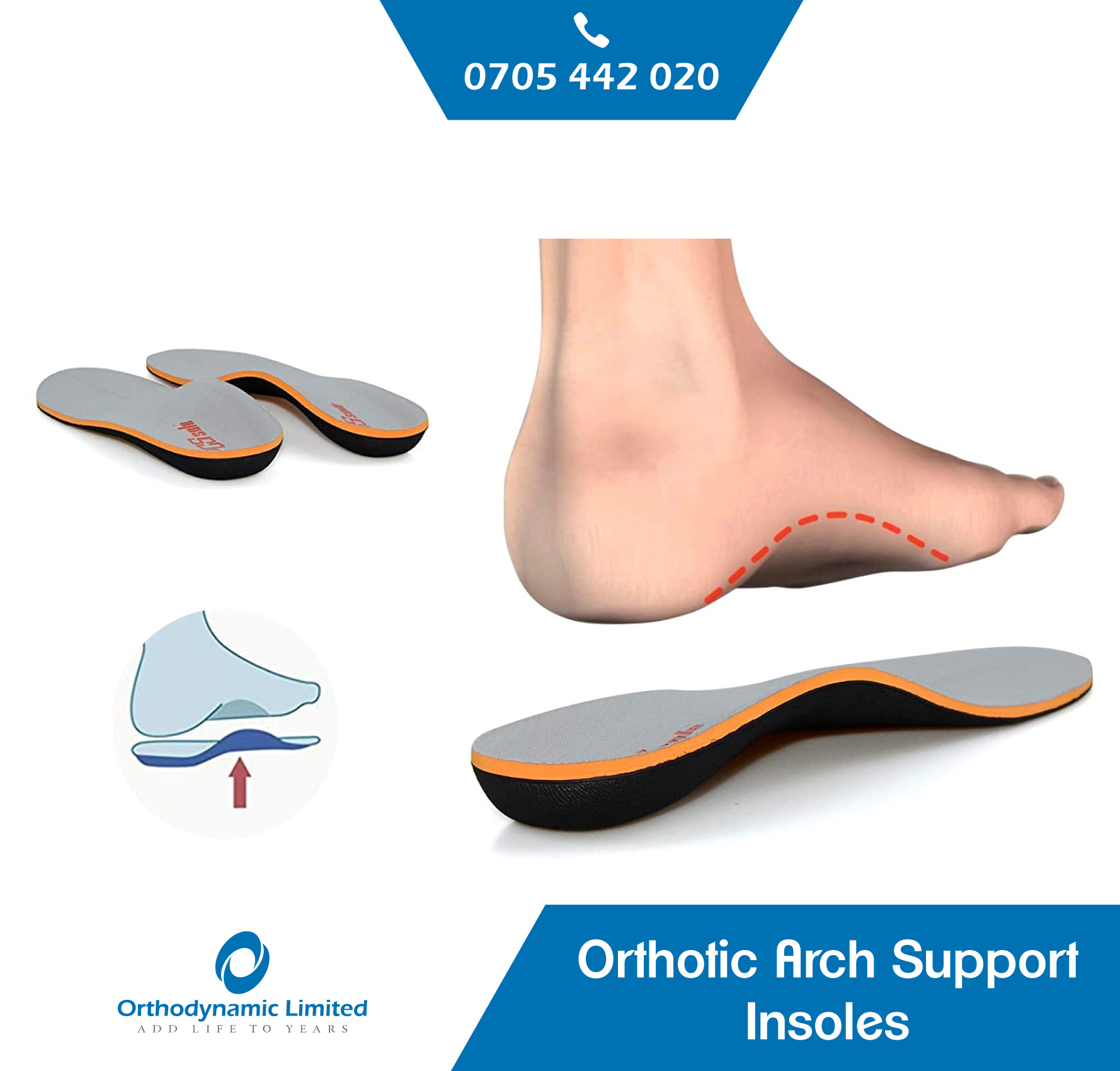
Insoles may be fitted when there is a need for correcting foot position, as well as other supports, braces etc needed for some conditions.
Basic biomecanics are explained and are extremely helpful in dealing with most problems, ergonomic advice for work, home and the sport environment are equally important.
Physiotherapy may be appropriate in the following situations:
- Sprains or strains of any joint or muscle
- Muscle aches
- Neck or back pain
- Following fractures
- Following surgery, including joint replacement.
- Incontinence and pelvic floor muscle dysfunction
- Falls and balance problems
- Strokes, Parkinsons and Multiple Sclerosis
PHYSIOTHERAPY TREATMENT FOR ACHIEVING PERSONAL SPORT CHALLENGES
Mostly, people come to see a physiotherapist if they have injured themselves. Many people ignore regular niggling pain during or after exercise. However, you don’t need to have any pain at all. Most likely the pain is a result of overtraining certain muscle groups compared to other ones, changing movement patterns after injury or poor posture. For example, think about how your gait changes after a twisted ankle.
We can examine you, and once we know what your problem is, can design an exercise program for you to deal with your particular problem. The benfits are quickly noticable and once achieved you will be able to train painfree and push yourself to a new “personal best”.
We can also work preventatively. Regular ‘body service’ prevents possible injuries. “It’s like teeth. If a dentist maintains your oral health, they can prevent a cavity from occuring”.
Varicose Veins Stockings
Varicose Veins Stockings.
Varicose Veins Stockings or Compression stockings help relieve symptoms and slow the progress of varicose veins. They improve circulation and are a mainstay of treatment for varicose veins that are causing symptoms.
Varicose veins are enlarged, swollen, and twisting veins, frequently linked to faulty valves in the vein. They are generally blue or dark purple. People with bulging and/or lumpy varicose veins on their legs may experience cramping pain and heavy limbs.
Can Varicose Veins Stockings help ?
They improve circulation and are a mainstay of treatment for varicose veins that are causing symptoms. (Mild varicose veins that are not causing symptoms don’t need treatment.) Compression stockings are tightest at the foot. … Doctors often recommend that you wear the stockings during the day to help relieve symptoms.
- For very mild symptoms, you may start out using class one, knee-highs (which end just above the calf, below the knee) or thigh length depending on where the veins manifest. You may find that these help swelling and aching considerably.
- For more serious symptoms, you may be required to buy class two or three compression stockings which are more tight (with a doctor’s prescription).
Varicose Veins Stockings can be hard to put on, and it may take you awhile to get used to wearing them all day. But if they fit right, they should be snug but comfortable. If you have problems wearing the stockings.
Consider any problems you may have with compression stockings compared with the chance that they may help keep your problem from getting worse and may help you avoid surgery.
Avoid elastic bandages for varicose veins unless your doctor specifically suggests them. They can cut off blood flow and may make varicose veins worse. (If this type of bandage is recommended, ask how to wrap it.)
Veins have one-way valves that prevent blood from flowing backwards. When these valves fail, blood begins to collect in the vein rather than continuing toward your heart. Varicose veins often affect the legs because they are the farthest from the heart and gravity makes it harder for the blood to flow upward.
Symptoms of varicose veins
1.Large veins that you can see just under the surface of your skin.
2.Mild swelling of your ankles and feet.
3.Painful, achy, or “heavy” legs.
4.Throbbing or cramping in your legs.
5.Itchy legs, especially on the lower leg and ankle.
6.Discolored skin in the area around the varicose vein
Management
Conservatively Varicose veins can be managed by use of graduated medical Ted/Varicose Veins Stocking.Depending on extent and severity these medical stockings are available in:
- different colours
- different lengths – some come up to your knee, while others also cover your thigh and up to waist
- different foot styles – some cover your whole foot, and some stop before your toes
- They come in different classes (representing their strength)
Surgery
Ligation and stripping
Most surgeons use a technique called ligation and stripping, which involves tying off the vein in the affected leg and then removing it.
Two small incisions are made. The first is made near your groin at the top of the varicose vein and is approximately 5cm (2in) in diameter.
The second, smaller cut is made further down your leg, usually around your knee. The top of the vein (near your groin) is tied up and sealed.
A thin, flexible wire is passed through the bottom of the vein and then carefully pulled out and removed through the lower cut in your leg.
The blood flow in your legs won’t be affected by the surgery. This is because the veins situated deep within your legs will take over the role of the damaged veins.
Ligation and stripping can cause pain, bruising and bleeding. More serious complications are rare, but could include nerve damage or deep vein thrombosis, where a blood clot forms in one of the deep veins of the body.
After the procedure, you may need up to 3 weeks to recover before returning to work, although this depends on your general health and the type of work you do.
You may need to wear Varicose Veins Stocking for up to a week after surgery.
Wearing Varicose Veins Stockings
You usually need to put your compression stockings on as soon as you get up in the morning and take them off when you go to bed.
They can be uncomfortable, particularly during hot weather, but it’s important to wear your stockings correctly to get the most benefit from them.
Pull them all the way up so the correct level of compression is applied to each part of your leg. Don’t let the stocking roll down, or it may dig into your skin in a tight band around your leg.
Caring for compression stockings
Varicose Veins Stockings usually have to be replaced every 3 to 6 months. If your stockings become damaged you might need a new pair because they may no longer be effective.
Its recommended that You have 2 stockings (or 2 sets of stockings if you’re wearing 1 on each leg) so that one stocking can be worn while the other is being washed and dried.
Varicose Veins Stockings should be hand washed in warm water and dried away from direct heat.
Restricting Cervical Motion
Cervical Motion: The Functional Objective of any Cervical Orthosis
Cervical Motion tenderness also cervical excitation is a sign found on pelvic examination suggestive of pelvic pathology.
First of all the functional objective of any cervical orthosis is to limit unwanted cervical spine motion. Motion control at the cervical spine is sought to ameliorate an array of problems which also vary in etiology and severity. Special cervical orthotic requirements may include one or more of the following.
- Realignment of the cervical spine.
- Motion control in flexion, extension, anterior or posterior displacement, lateral flexion, axial rotation, and modest un-weighting of the vertebrae.
Some common prescription criteria for use of a cervical orthosis are:
- post surgical management.
- immediate post-traumatic management.
- subluxations.
- degenerative diseases.
- management of pain secondary to a multitude of disorders.
Each disorder may also require one or more specific functions from a cervical orthosis.
In response to the different etiological factors and various manifestations of problems. Most notably, many categories and types of cervical orthoses have become available to the orthotist. In addition, the trends indicate a preference toward using prefabricated designs whenever possible. This has motivated manufacturers to also design and market many prefabricated cervical orthoses. Most prefabricated cervical orthoses allow for minor adjustments only and with each having its own inherent advantages and disadvantages.
Restricting Cervical Motion
Cervical orthosis therefore demonstrated statistically superior restriction of cervical motion in flexion, extension, rotation, and lateral tilt in comparison with the other four orthoses as a result studied in healthy volunteer.